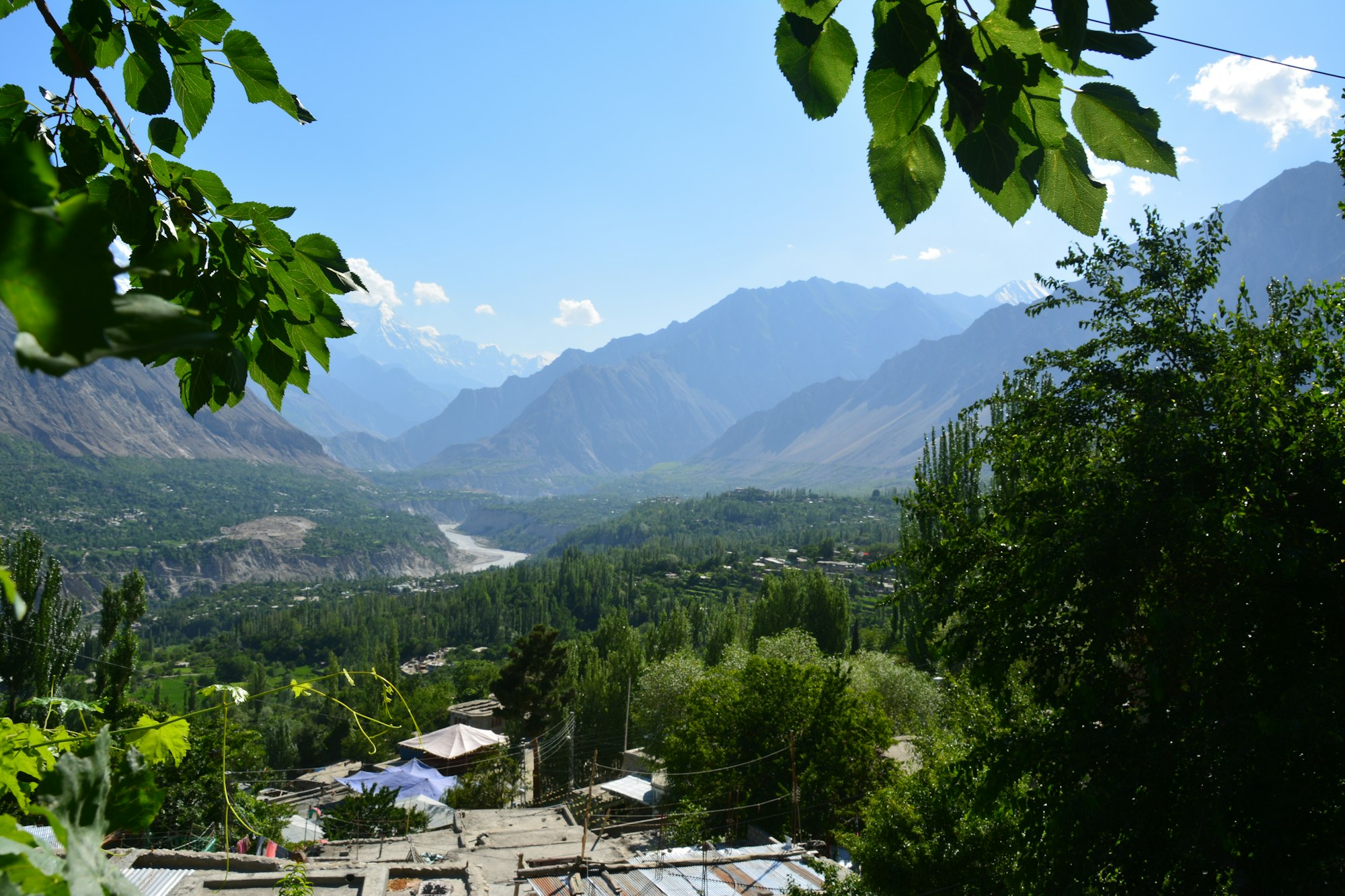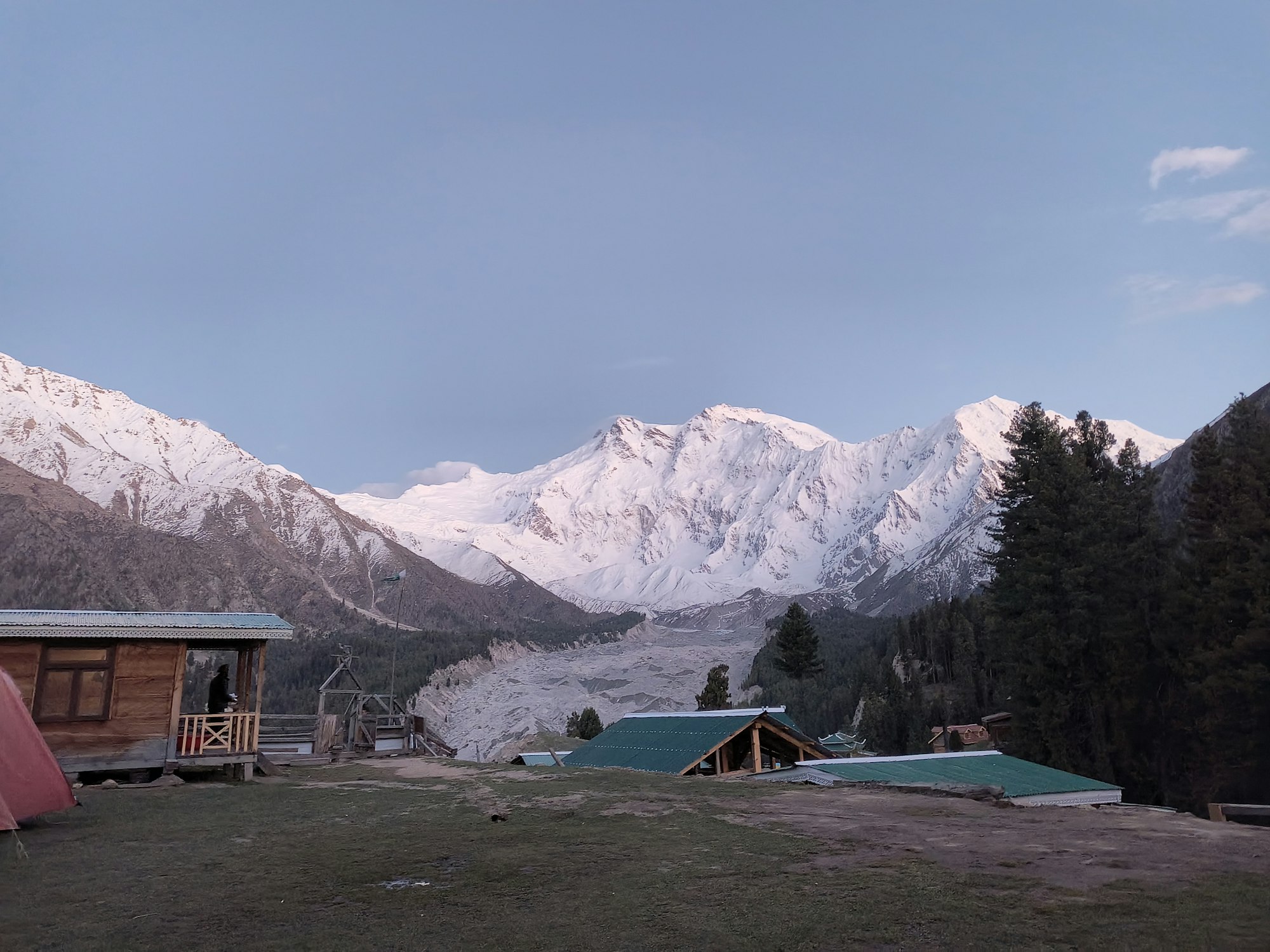
The mistake almost everyone makes is packing for the temperature in Islamabad. You will be gaining two thousand metres of altitude in a day, and the valley floor at noon and the viewpoint at dawn are twenty degrees apart.
The layering rule
Three layers, always, in every month: a base layer, a warm mid layer such as fleece or light down, and a windproof shell. Even in July, Khunjerab at 4,693 m and Duikar at dawn need all three. In December you add a second warm layer rather than a thicker single coat.
Cotton is the wrong base layer for anything involving walking. It holds sweat and then chills you the moment you stop.
Footwear
For valley tours: comfortable walking shoes with a real sole. Forts, bazaars and viewpoints involve uneven stone.
For Fairy Meadows, Deosai or anything described as a trek: proper boots with ankle support, broken in before you leave. New boots on the Tato climb is a well-established way to ruin a trip.
Add sandals or slip-ons for hotels and mosque visits.
The things people forget
Cash in small notes. Card payment is limited beyond Gilgit and Skardu and ATMs are unreliable in the upper valleys.
A power bank. Power cuts are routine and camping means no power at all.
Sunscreen and proper sunglasses — UV at 3,000–4,000 m is severe and the reflection off snow doubles it.
Lip balm, because the air is dry enough to crack lips in a day.
Any prescription medicine in its original packaging, plus a basic kit: painkillers, rehydration salts, plasters, and something for an unsettled stomach.
Photocopies of CNIC or passport and visa — checkposts ask repeatedly.
The things people carry needlessly
A hairdryer. Power is not reliable enough to depend on one.
Formal clothes. Nowhere on any of these trips requires them.
A full camera kit if you are not going to use it — the jeep sections are bumpy and every extra bag is carried by someone up the Tato path.
Large amounts of bottled water. Buy it locally; carrying it from Islamabad is wasted weight.
Season adjustments
April blossom: add a warm layer for the evenings and expect rain once or twice.
July to August: add a sun hat and more water. Nights are still cool at altitude.
October: add gloves and a beanie. The difference between mid-October and late October evenings is significant.
December to February: a properly insulated jacket, thermal base layers, waterproof boots, gloves and a hat. Hotel heating varies — ask what your room has before you book.
A note on dress
Gilgit-Baltistan is relaxed by Pakistani standards and used to visitors, but it is conservative. Shoulders and knees covered is the comfortable norm for everyone, and a scarf is useful for women visiting mosques and shrines. Nobody will make a scene about it; dressing modestly simply makes the trip easier and is a courtesy to the people hosting you.
Frequently asked
Layers — a base layer, fleece or light down, and a windproof shell, in every season. Modest clothing covering shoulders and knees is the comfortable norm.
Not for a standard valley tour; comfortable walking shoes are enough. Boots are needed for Fairy Meadows, Deosai and anything longer.
In Gilgit and Skardu, yes, but they run out of cash and lose connectivity. Carry enough cash for the whole trip in small notes.