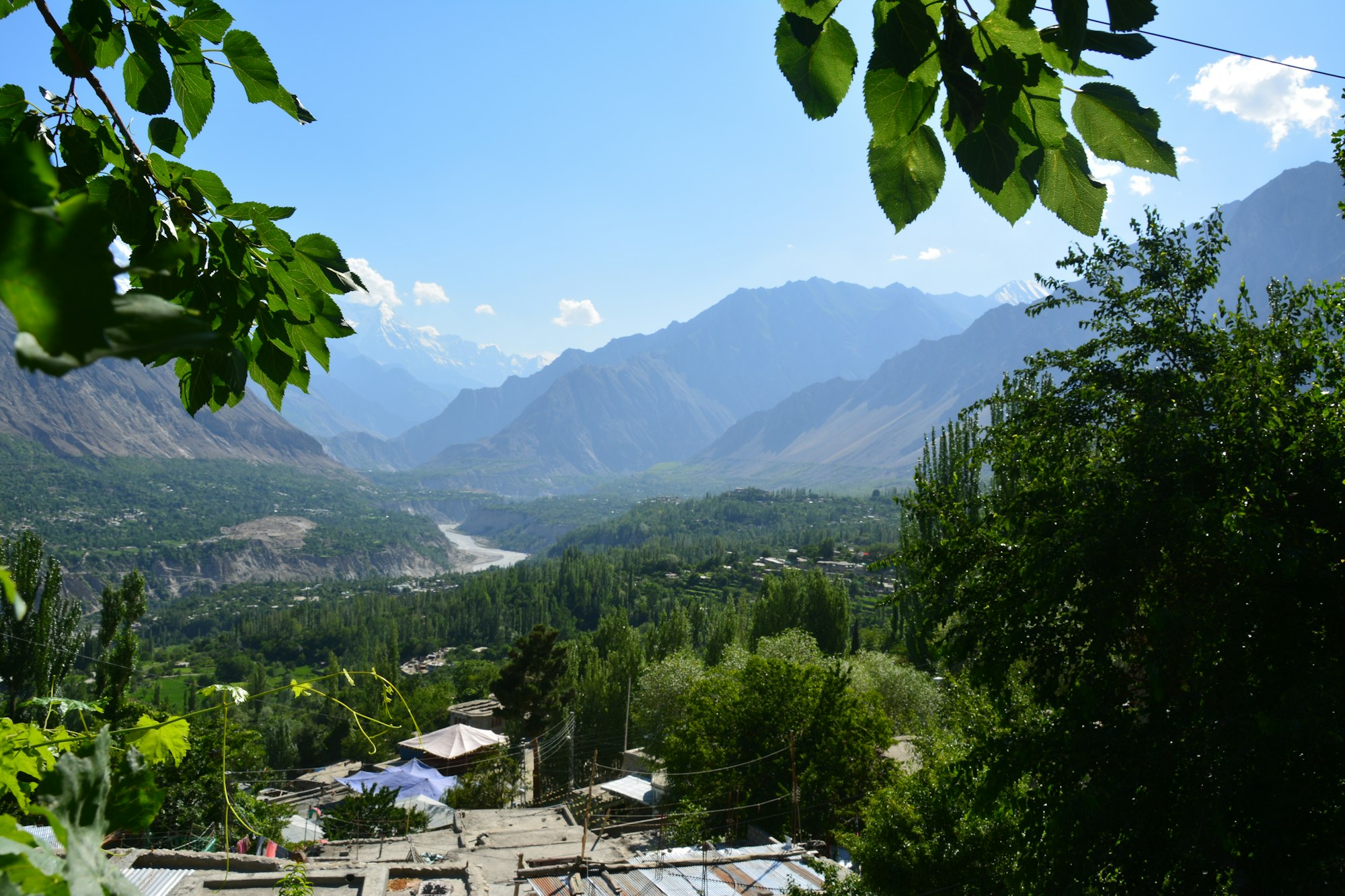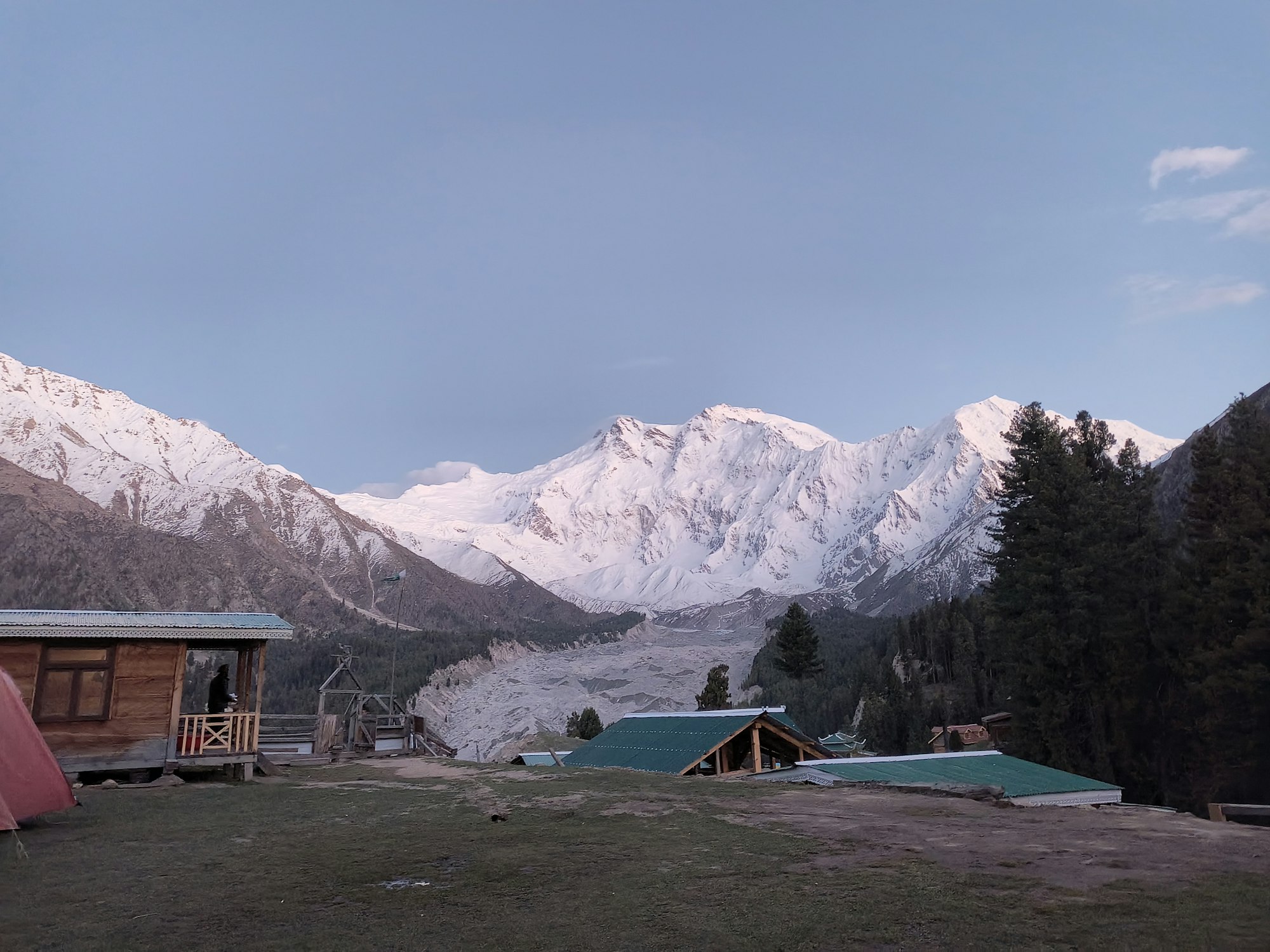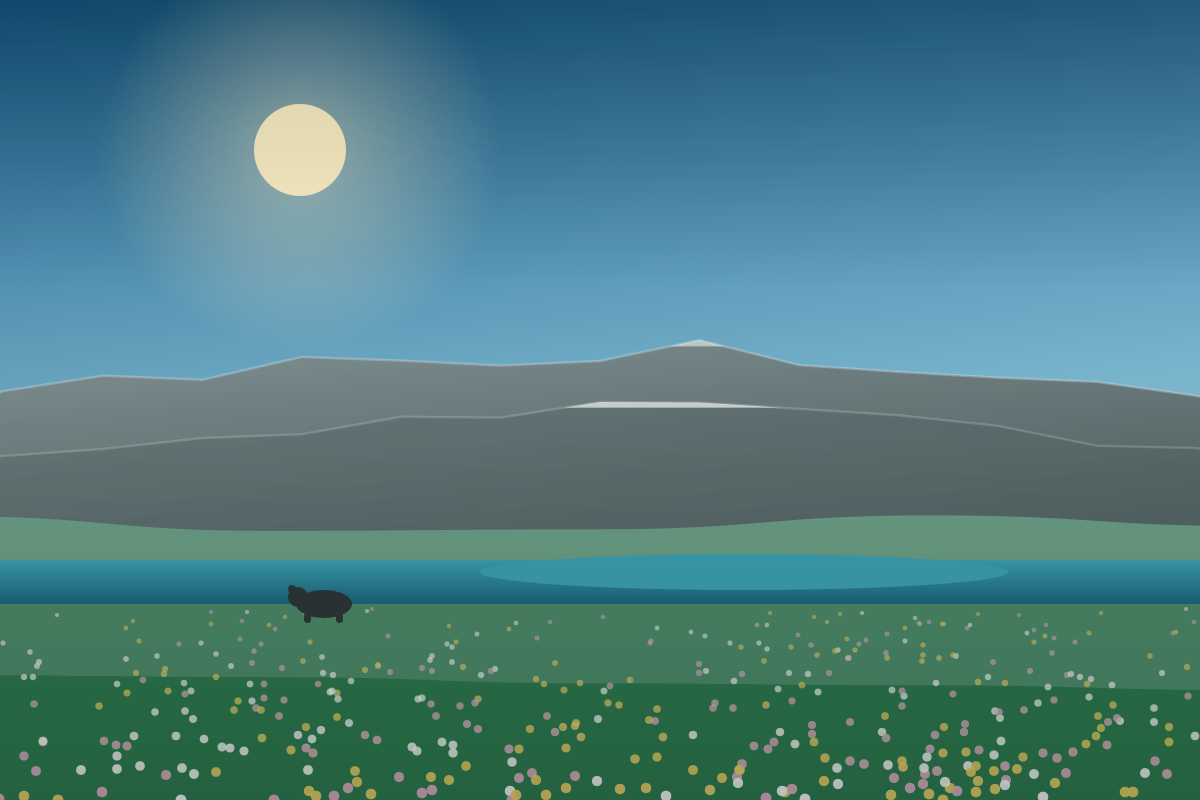
Deosai is a 3,000 km² plain at around 4,100 m, snowbound for most of the year and covered in wildflowers for the rest. It is the last stronghold of the Himalayan brown bear in Pakistan, and it is the single most weather-dependent destination in Gilgit-Baltistan.
When it opens
Snow normally clears enough for jeeps between late June and mid-July, and the plateau closes again in late September or early October. That is the whole window.
The exact dates move year to year with the winter snowfall, and there is no official announcement to watch for — the jeep drivers in Skardu know before anyone else. If your trip is in late June or late September, treat Deosai as probable rather than certain and have a fallback in the itinerary.
The two approaches
From Skardu, the road climbs past Satpara Lake and reaches the plateau in about two and a half hours. This is the usual way in.
From Astore, the road comes up via Chilim to the western end near Sheosar Lake. Doing the full crossing — in from Skardu, out to Astore — is a long day and much the best way to see the place, because you cross the whole plateau rather than dipping onto the edge of it.
What is up there
Sheosar Lake at 4,142 m, at the western end, still enough on a calm morning to mirror the Nanga Parbat massif. Marmot colonies throughout, absurdly tame. Wildflowers across July and August, thickest after the snowmelt. Bara Pani and Kala Pani, the two river crossings that serve as the standard camps.
What is not up there: settlements, shops, fuel, or mobile coverage. Everything you need goes up with you.
Brown bears
Deosai was declared a national park in 1993 specifically to protect the Himalayan brown bear, whose population in the park had fallen to a few dozen animals and has since recovered substantially.
You may see one, usually at distance and usually early morning near the water. It is not guaranteed and nobody should promise it. Travel with a park guide who knows where sightings have been that week, keep your distance, and do not leave food out at camp.
Altitude and cold
You will be sleeping at around 4,000 m. Mild headache, broken sleep and breathlessness on any incline are normal; anything worse means descending, which from Deosai is straightforward in either direction.
Night temperatures fall to near freezing even in July. A sleeping bag rated to at least -5°C, a proper insulated jacket and a hat are not optional. Days can be warm and the UV at that altitude is severe — sunscreen and sunglasses matter more than people expect.
Frequently asked
Roughly July to late September, depending on snow clearance. Outside that window the jeep tracks are impassable.
Yes, and it is the point of going. The standard camps are Bara Pani and Kala Pani. All equipment and food must be carried in; there are no facilities on the plateau.
The plateau averages about 4,114 m. Sheosar Lake sits at 4,142 m.
Possibly, most often early morning near water and usually at distance. Marmots are near-certain. Nobody can guarantee a bear.